Fast Response

Aircon regas in Cape Town: checked before we charge

Low refrigerant makes an aircon work harder and cool less. We check the system first, and regas only if it actually needs it.

Aircon regas in Cape Town

Assessment

Poor cooling isn't always low gas

An aircon that's struggling to cool might have a dirty filter, a failing fan, or a blocked coil, none of which a regas fixes. Adding refrigerant to a system with a different fault wastes your money and leaves the real problem untouched.

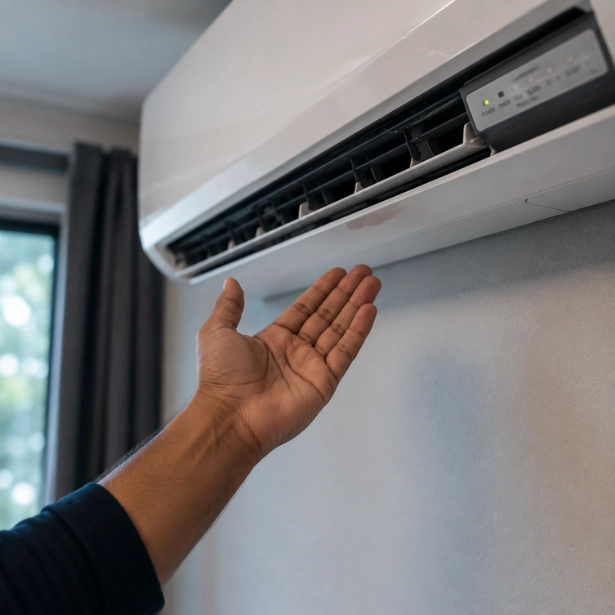
Warm air blowing

The unit runs but the air feels warm. This can point to low refrigerant, but also to a compressor that is not doing its job.

Ice on the lines

Frost on the indoor coil or the copper lines outside is a classic sign of low refrigerant. It can also mean poor airflow.

Running all day

The aircon never shuts off because it cannot reach the set temperature. The system works harder and the room stays warm.

Warm air blowing from the aircon

Checks

What we check before adding any gas

We look at the whole system first. The goal is to rule out the ordinary causes before we go anywhere near the refrigerant.

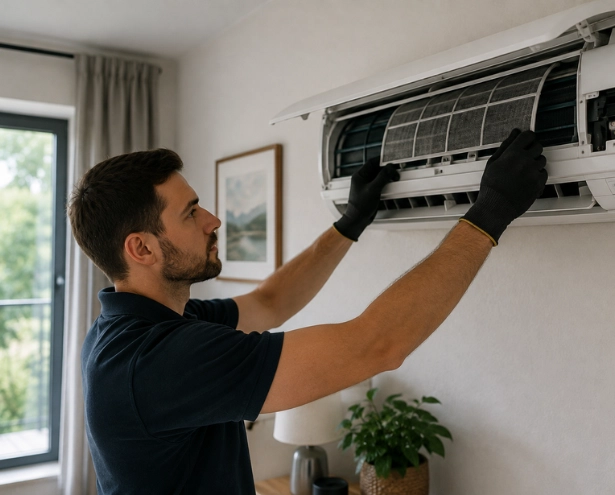
Filters and coils check

Filters and coils

A blocked filter or a clogged coil reduces airflow and cooling. Cleaning them can solve the problem without any gas work.

Fans and capacitors

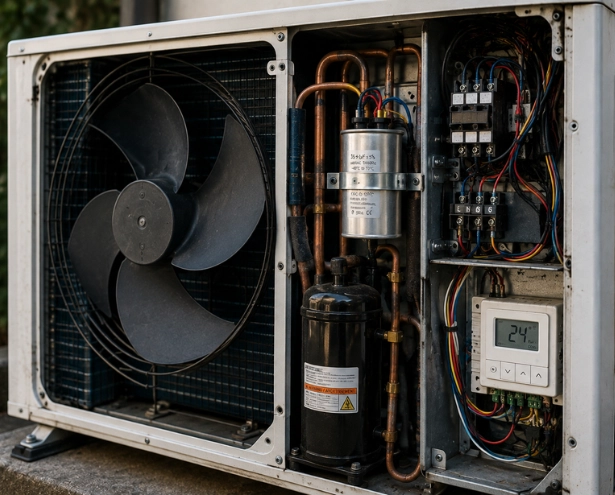
A failing indoor or outdoor fan, or a weak capacitor, stops the air moving properly. The unit runs but cools poorly.

Thermostat and electrics

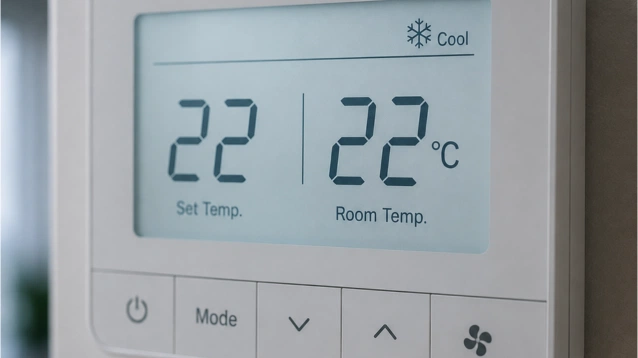
A faulty thermostat or a wiring issue can stop the system calling for cooling at all. We check the controls before the gas.

Leaks

Find the leak before you add gas

Topping up gas without finding the leak is money spent twice. The system loses refrigerant again and you're back where you started, usually within a few months.

Leak detection first

We use pressure testing and electronic leak detection to find where the refrigerant is escaping. Adding gas without this step is money spent twice.

Repair the leak

Once the leak is located, we repair it, whether that means tightening a connection, replacing a valve or fixing a damaged component.

Then recharge

Only after the leak is fixed do we recover the remaining refrigerant, vacuum the system and recharge to the correct level.

Leak detection first

Symptoms

Signs your aircon may be low on gas

These can point to low refrigerant. They can also point to other faults, which is exactly why we check before we charge.

Weak cooling

Weak cooling

The air coming out is cool but not cold. The room never reaches the temperature you set.

Warm air

Warm air

The unit blows air that feels close to room temperature. The compressor may be running but not moving heat.

Ice forming

Ice forming

Frost builds up on the indoor coil or the copper lines outside. This is a classic sign of low refrigerant.

Longer running

Longer running

The aircon runs for hours without shutting off. It works harder and the room still feels warm.

Benefits

A regas done right

Correct refrigerant levels mean the room reaches the temperature you set, the unit stops running all day for one room, and you don't pay for the same repair twice.

The room reaches the temperature you set

Cooling

The room reaches the temperature you set

Correct refrigerant levels let the system move heat again. The air feels cold and the room cools down.

The aircon stops running all day to do a simple job

Efficiency

The aircon stops running all day to do a simple job

A system with the right charge cycles normally. It does not run constantly to cool one room.

You do not pay for the same repair twice

Reliability

You do not pay for the same repair twice

Finding and fixing the leak first means the gas stays in. The problem does not come back next month.

Process

How a proper regas works

A regas isn't just topping up gas. Done properly, it's four steps.

Relume icon 1
Inspection

We check the filters, coils, fans and settings first. The goal is to rule out simple causes before touching the gas.

Relume icon 2
Leak test

We test the system for leaks using proper equipment. Any leak gets found and repaired before we continue.

Relume icon 3
Recovery

The remaining refrigerant is recovered and the system is put under vacuum. This removes moisture and air from the lines.

Relume icon 4
Recharge

We recharge with the correct refrigerant type and amount for your unit. Then we run the system and check the cooling performance.

01

Aircon repairs

Repairs

Not every cooling problem is a gas problem

A failed fan, a worn capacitor or a faulty thermostat can all cause poor cooling with no refrigerant loss at all. We fix the actual fault instead of masking it with a regas that won't solve it. See Aircon Repairs → and Aircon Servicing → for the other two most common calls we get for "it's not cooling."

01 Aircon repairs
02

Aircon servicing

Repairs

Not every cooling problem is a gas problem

A failed fan, a worn capacitor or a faulty thermostat can all cause poor cooling with no refrigerant loss at all. We fix the actual fault instead of masking it with a regas that won't solve it. See Aircon Repairs → and Aircon Servicing → for the other two most common calls we get for "it's not cooling."

02 Aircon servicing
03

Aircon installation

Repairs

Not every cooling problem is a gas problem

A failed fan, a worn capacitor or a faulty thermostat can all cause poor cooling with no refrigerant loss at all. We fix the actual fault instead of masking it with a regas that won't solve it. See Aircon Repairs → and Aircon Servicing → for the other two most common calls we get for "it's not cooling."

03 Aircon installation

Ask about aircon regas

Tell us what your aircon is doing. We'll check the system before any gas is added.

Book Regas

Book a regas assessment

We check the system before any gas is added. Tell us what your aircon is doing.

Prefer to talk?

Call 021 388 0026

We'll get back to you by phone or email to confirm a time. No obligation.

Frequently
Asked
Questions